Black Mold?
Don't Take Chances! Call the Top Black
Removal Company in Shawnee and get cleaned up FAST!



Why Choose Us?
- Certified Pros
- Available 24/7/365
- Rapid Response
- Fully Licensed And Insured
- We Work With Your Insurance Company
Call Now (913) 241-0443
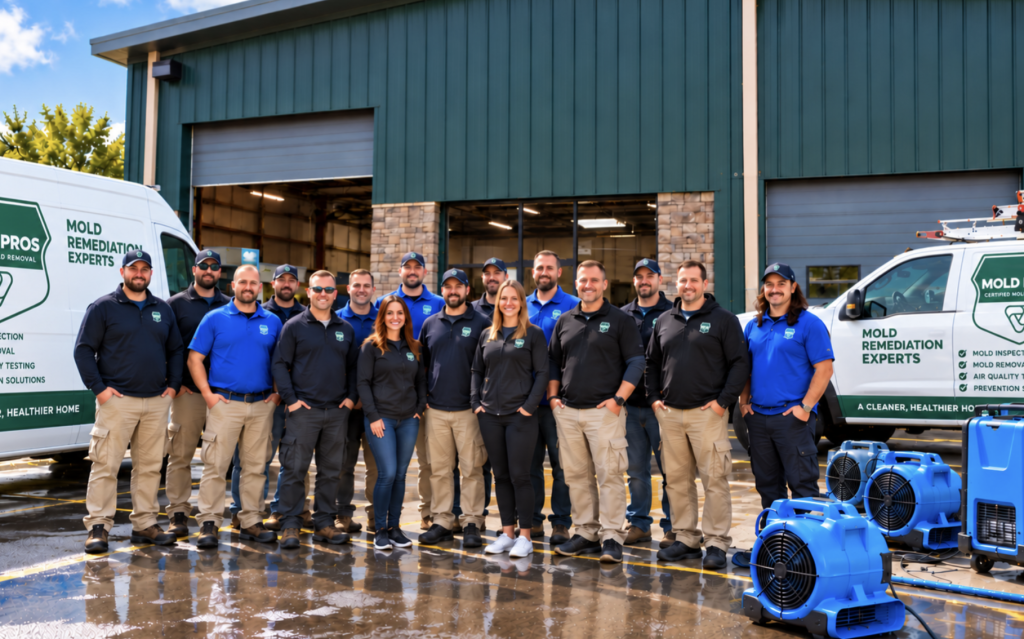
Professional Mold Removal in Shawnee, Kansas
Finding mold in your home or business can raise urgent questions about safety, damage, and cost. Our team at Shawnee Mold Remediation Pros helps property owners understand what needs to be cleaned, what needs to be removed, and how the work area will be protected. We address the moisture source as part of the remediation plan whenever it is within the project scope. Our work serves homes, apartments, condos, offices, schools, churches, medical facilities, retail properties, and industrial buildings. The goal is to remove affected material carefully and leave unaffected areas protected from unnecessary disturbance.
What moisture patterns affect Shawnee properties?
Shawnee buildings face several moisture conditions that influence mold cleanup plans. Hot, humid summers can leave condensation on windows, ducts, exterior walls, and uninsulated pipes. Heavy thunderstorms can expose roof leaks, drainage problems, foundation seepage, and water entry around windows or doors. Properties near Mill Creek, Clear Creek, Cedar Creek, Little Mill Creek, or the Kansas River may also face site-specific stormwater and flood concerns.
Crawl spaces deserve careful attention because exposed soil, poor drainage, missing vapor barriers, and limited airflow can keep wood damp. Basements often develop problems from foundation cracks, failed waterproofing, hydrostatic pressure, or plumbing leaks. Older and newer properties require different questions about building materials, ventilation, and past repairs. The City of Shawnee Stormwater Management Program offers local information about drainage, floodplains, and property protection through its stormwater resources.
What happens during professional mold removal?
We begin by reviewing what you noticed, where moisture entered, and which materials show damage. The work plan then separates affected areas from clean areas so dust and debris stay controlled. Containment means using plastic walls or barriers to limit movement between work zones. We also use appropriate personal protective equipment and HEPA filtration to capture fine particles during removal and cleaning.
Source control comes before final cleaning because mold problems often return when moisture remains. That source might be a roof leak, plumbing leak, failed appliance connection, damp crawl space, poor bathroom ventilation, or indoor humidity above about 60 percent. We may recommend repairs by a qualified trade when the source involves roofing, plumbing, electrical systems, drainage, or structural work. Drying and moisture control help protect the work after affected materials are addressed.
Porous materials absorb water and often hold contamination below the visible surface. Drywall, insulation, carpet, padding, and some subflooring may need careful removal when growth or water damage reaches them. Framing, concrete, tile, and other hard surfaces often receive detailed cleaning when their condition allows it. The final method depends on the material, how far moisture traveled, and whether the surface can be safely cleaned without spreading debris.
What’s Included
Our mold remediation scope is built around controlling the work area, removing affected porous materials when needed, and cleaning suitable remaining surfaces. We protect nearby contents and building areas before disturbing damaged assemblies. HEPA air scrubbers filter mold dust from the air while work is underway. We also use careful debris handling so removed materials do not pass through occupied areas unnecessarily.
- Work-area containment and protection of unaffected spaces
- Removal of affected drywall, insulation, carpet, or other porous materials when required
- Cleaning of appropriate hard surfaces such as framing, concrete, and tile
Attics, crawl spaces, wall cavities, and below-grade rooms each present different access and drying concerns. An attic may involve roof leaks or vents that terminate in the wrong location. A crawl space may require attention to damp soil, subfloor moisture, or limited working room. Commercial projects also require planning around occupants, business operations, shared hallways, and larger air-handling areas.
What’s Not Included
Mold removal does not automatically include rebuilding the areas opened during remediation. Replacing drywall, installing new insulation, repainting, replacing flooring, repairing roofs, correcting plumbing, and rebuilding cabinets require a separate scope unless specifically included in a written agreement. We do not treat color as proof of a mold species. What people commonly call black mold cannot be identified by color alone, so cleanup decisions should be based on visible conditions, materials, moisture history, and the work plan.
- Full reconstruction or finish work after removal
- Roofing, plumbing, electrical, or drainage repairs by other trades
- Independent laboratory testing or species identification
Floodwater and sewage-contaminated water require added care because contamination extends beyond ordinary surface mold. A major flood, sewage backup, lead-related renovation, or regulated environmental project might involve requirements outside a routine mold-remediation scope. For pre-1978 buildings, disturbing painted surfaces may raise lead-safe work concerns. Kansas resources from the Kansas Department of Health and Environment explain renovation, repair, and painting applications.
How do materials change the cleanup plan?
Drywall often must be opened or removed because its paper facing absorbs water and supports hidden growth. Insulation is difficult to clean once it is wet or visibly affected, especially in wall cavities and attics. Carpet and padding hold moisture in layers, which makes surface cleaning alone unreliable after extended wetting. Subflooring requires closer review because moisture can remain beneath finished flooring and around seams.
Wood framing may be cleaned when it remains structurally sound and accessible. Concrete and tile are nonporous, but dust and residue still require controlled cleaning. Attic sheathing needs attention when roof leaks or improperly vented bathroom and dryer ducts keep the space damp. In crawl spaces, limited access can affect containment, equipment placement, and debris removal.
Residential work usually centers on protecting household areas and limiting disruption to occupants. Commercial work may require phased sections so employees, students, patients, residents, or customers are kept away from the active work zone. We do not assume that every room needs the same treatment. A room-by-room scope helps prevent both missed materials and unnecessary removal.
How are cost and job size determined?
Actual mold remediation costs vary based on affected materials, work-area size, containment needs, access, and the moisture source. A final scope and price require an inspection of the conditions involved. Small surface areas may still take more work when growth is inside a wall, beneath flooring, or in a tight crawl space. Larger projects often involve multiple containment areas, longer equipment use, and more debris handling.
Pricing also reflects whether materials need removal or can be cleaned in place. A basement with open access differs from a finished room with cabinets, flooring, and stored belongings. Commercial spaces may require scheduling around operations and separating work zones across a larger footprint. We explain the planned tasks before work begins so you know which removal, cleaning, and protection steps are included.
What should occupants expect during the project?
Occupancy depends on the work area, materials involved, ventilation, and the size of the affected space. People should stay out of contained areas while removal and HEPA filtration are underway. Children, older adults, and anyone with respiratory concerns should discuss exposure questions with a doctor. Pets and personal belongings also need protection when work occurs in occupied rooms.
Do not paint over visible mold or seal a damp wall before the source is corrected. Move loose items away from the affected area only if doing so will not spread dust or disturb damaged material. If water is still entering, stop using the affected fixture when safe and keep people away from standing water near electrical equipment. These steps help preserve the area for a more accurate work plan.
Credentials and project questions
Shawnee Mold Remediation Pros is IICRC certified. We are in good standing with the BBB. Our work follows a controlled process that separates source control, containment, material removal, cleaning, and post-work protection. We explain the limits of the scope when repairs or reconstruction must be handled by another trade.
We do not perform mold testing. Independent testing or assessment can be useful when the extent or type of a problem needs independent documentation, and our warning signs guide explains testing questions in more detail. Testing is not required for every visible moisture problem, especially when damaged materials and the source are already clear. Health questions should be directed to a physician or a public-health authority.
If you see active water, shut off the source when it is safe and keep people away from the affected area. Call (913) 241-0443 to discuss what you noticed and which rooms or materials are involved. We will ask about the moisture source, visible growth, access, and whether the property is residential or commercial. That information helps us explain what the first visit should address and what may need a separate trade.
Frequently Asked Questions
Does mold removal always require removing drywall?
No, drywall does not always require removal. The decision depends on how deeply moisture entered, whether growth is present behind the surface, and whether the material can be cleaned safely. Small surface conditions differ from wall cavities with prolonged moisture. We evaluate the material and moisture history before recommending removal.
Is a musty smell enough to prove there is hidden mold?
A musty smell suggests a moisture or indoor-air concern, but it does not identify the source by itself. Odors may come from damp carpet, crawl spaces, wall cavities, HVAC components, or stored materials. Look for leaks, condensation, staining, or areas that stay damp. An independent assessment is useful when the source or extent remains unclear.
What should I do after a storm causes water entry?
Stop the water source when possible and avoid contact with standing water near electrical equipment. Move people and pets away from wet or damaged areas. Do not seal wet materials behind paint or new flooring. Photograph the conditions and preserve damaged materials until the scope is reviewed.
Can mold return after remediation?
Mold can return when the moisture source remains or indoor humidity stays high. Common causes include recurring leaks, poor ventilation, damp crawl spaces, and condensation on cold surfaces. Keep indoor humidity controlled and repair leaks promptly. A cleaned area needs continued moisture control to stay dry.